

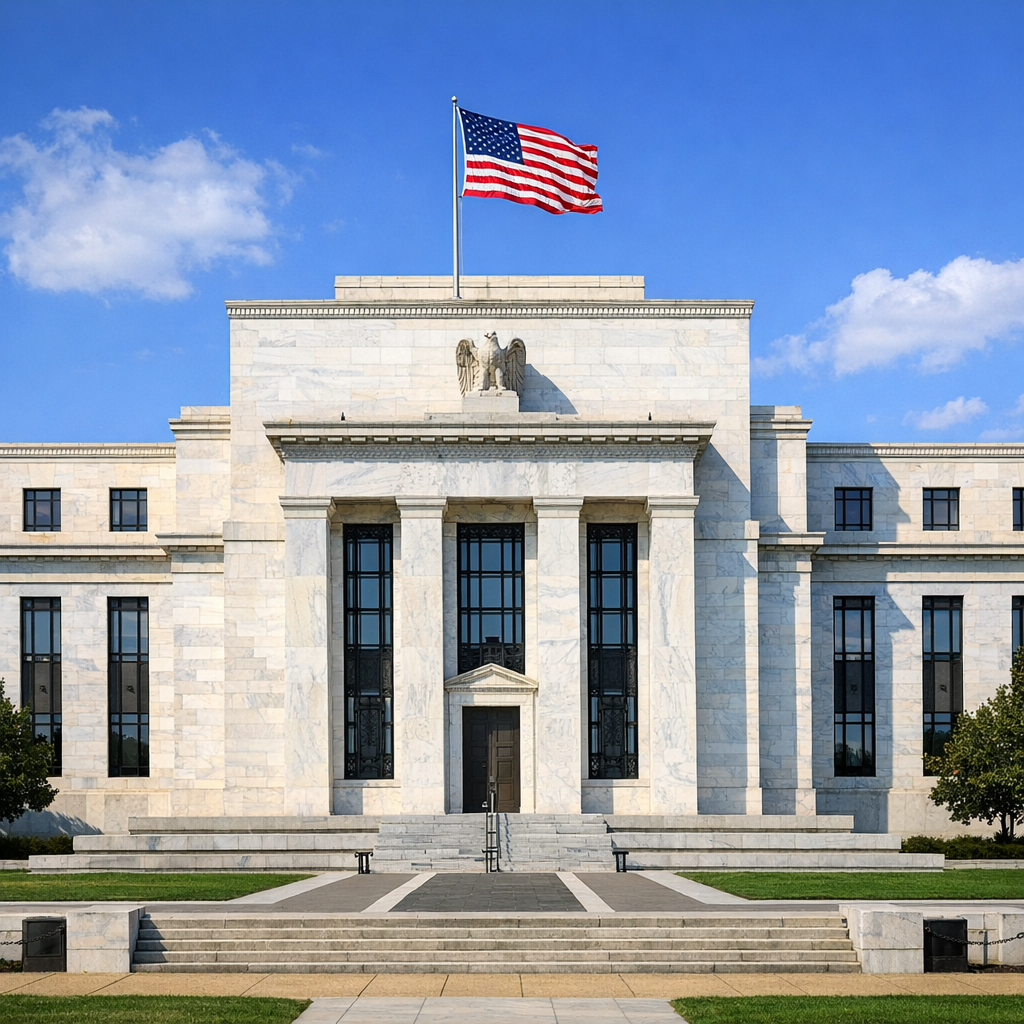
The Federal Reserve, often referred to as the Fed, plays a pivotal role in steering the U.S. economy. As the nation’s central bank, its decisions on monetary policy influence everything from inflation rates to employment levels, affecting both national and local economies.
Monetary Policy and Interest Rates
One of the primary tools at the Fed’s disposal is the adjustment of interest rates. By raising or lowering the federal funds rate, the Fed can either cool down an overheating economy or stimulate growth during a slowdown. For instance, in response to economic challenges, the Fed may opt to lower interest rates to encourage borrowing and investment.
Impact on Local Communities
Decisions made by the Fed have tangible effects on communities like Manchester, New Hampshire. Lower interest rates can lead to more affordable loans for small businesses and homeowners, potentially spurring local economic activity. Conversely, higher rates might slow down borrowing but can help control inflation, preserving the purchasing power of residents.
Recent Developments
As of May 2026, the Fed has been navigating complex economic conditions, including global trade tensions and domestic fiscal policies. Its recent decisions aim to balance economic growth with inflation control, a delicate task that requires constant assessment and adjustment.
Looking Ahead
Understanding the Fed’s role is crucial for both individuals and businesses. Staying informed about its policies can help residents of Manchester make better financial decisions, whether it’s planning for a mortgage, investing in a business, or saving for the future.