
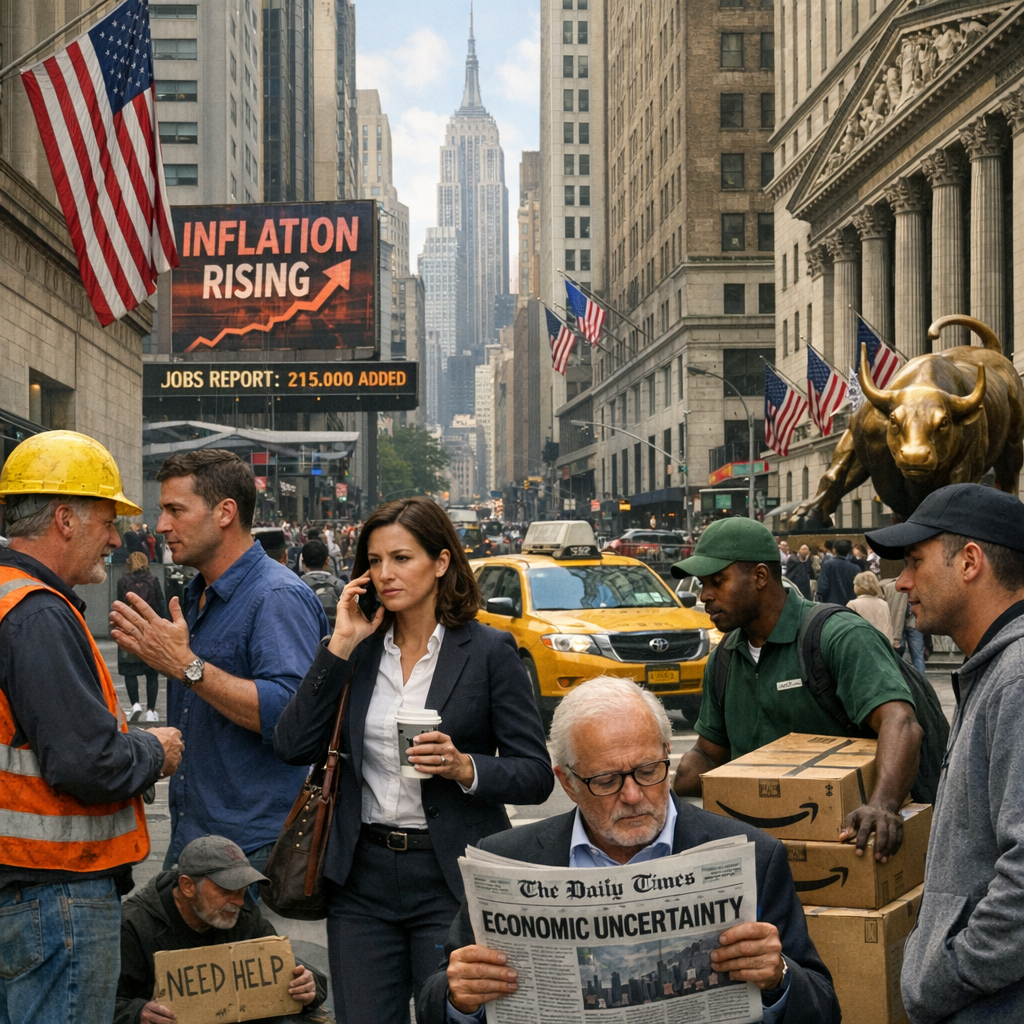
The United States continues to experience dynamic shifts in both its economic and political spheres, reflecting a nation in constant evolution.
Economic Overview
In the second quarter of 2026, the U.S. economy grew at an annualized rate of 1.5%, slightly below economists’ expectations. This growth occurred amid geopolitical tensions and rising energy prices. Notably, consumer spending accelerated to a 3.2% annualized pace, up from 0.5% in the previous quarter, underscoring the resilience of American consumers. Additionally, business investments, particularly in artificial intelligence, have been significant contributors to economic activity.
Political Landscape
The political environment remains complex and multifaceted. According to a recent study by the Pew Research Center, the American public is divided into distinct typology groups, each with unique perspectives and values. These groups range from the highly ideological and partisan to more politically mixed segments, reflecting the diverse nature of the electorate. Understanding these divisions is crucial for comprehending the current political climate and anticipating future trends.
Implications for Manchester Residents
For residents of Manchester, New Hampshire, these national trends have tangible local impacts. The steady growth in consumer spending and business investments may translate into job opportunities and economic development within the community. However, the polarized political landscape could influence local governance and community relations. Staying informed and engaged is essential for navigating these changes effectively.
As the nation continues to evolve, it is imperative for individuals and communities to adapt and respond to these shifts, ensuring a prosperous and cohesive future for all.