

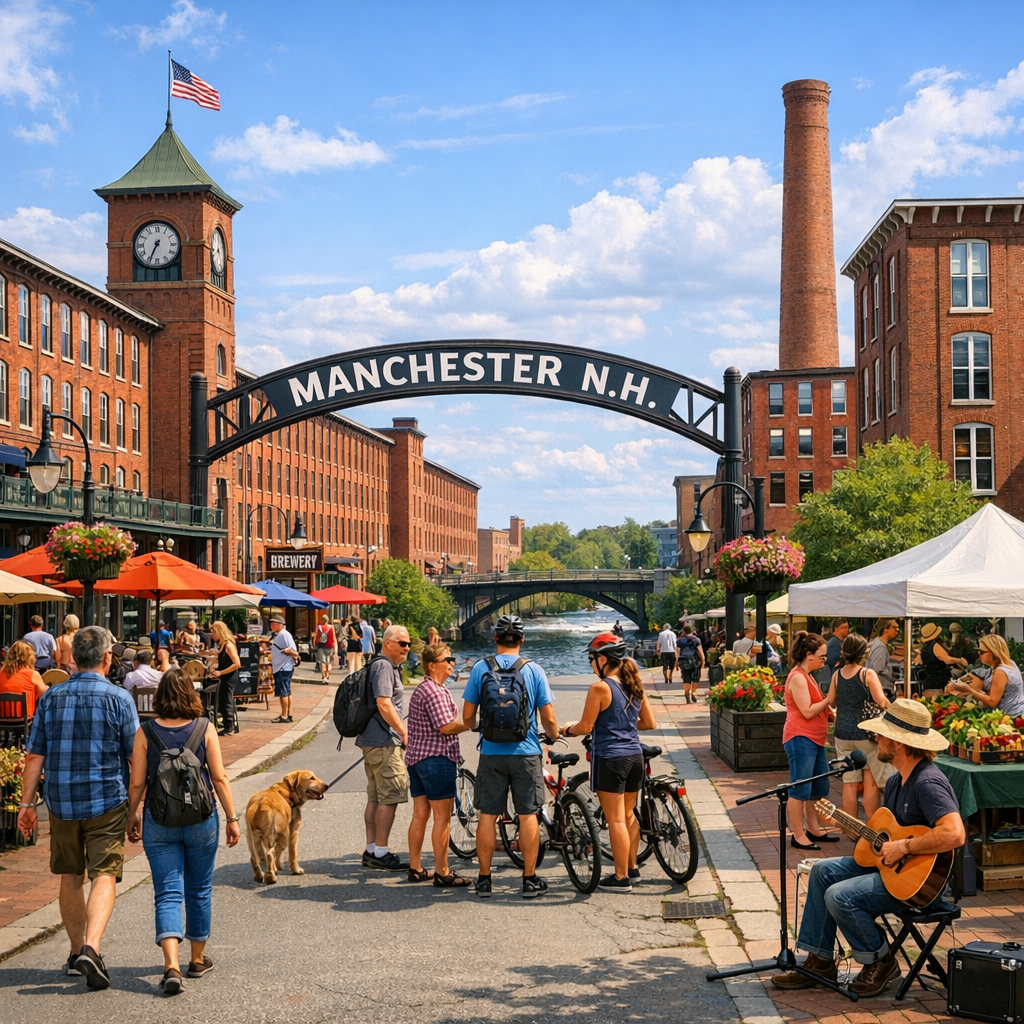
Manchester, New Hampshire, affectionately known as the “Queen City,” boasts a rich history and a vibrant cultural scene that continues to evolve. As a lifelong resident, I’ve witnessed firsthand the transformation of our city from its industrial roots to a hub of arts and education.
The Legacy of the Amoskeag Manufacturing Company
Our city’s journey began with the Amoskeag Manufacturing Company, once the largest cotton textile plant in the world. The mills not only provided employment but also shaped the architectural landscape of Manchester. Today, these historic mills have been repurposed into offices, restaurants, and cultural spaces, serving as a testament to our ability to honor the past while embracing the future.
Cultural Landmarks and Community Engagement
The Currier Museum of Art stands as a beacon of culture in Manchester. Offering free admission to New Hampshire residents on the second Saturday of every month, the museum provides an accessible space for families to engage with art through exhibitions and creative workshops. Such initiatives foster a sense of community and appreciation for the arts among residents.
Preserving Our History
The Manchester Historic Association, established in 1896, plays a pivotal role in preserving and sharing our city’s history. Through the Millyard Museum and various public programs, the association offers residents and visitors alike a glimpse into Manchester’s past, ensuring that our heritage remains a vital part of our community identity.
Education and Innovation
Education has been a cornerstone of Manchester’s development. The University of New Hampshire at Manchester, located in the heart of the city, provides diverse academic programs that cater to a wide range of interests. This institution not only educates but also contributes to the city’s economic and cultural vitality.
Looking Ahead
As we reflect on our city’s journey, it’s evident that Manchester’s strength lies in its ability to adapt and grow while honoring its rich history. By supporting local institutions and participating in community events, we can continue to build a vibrant, inclusive, and dynamic Manchester for generations to come.